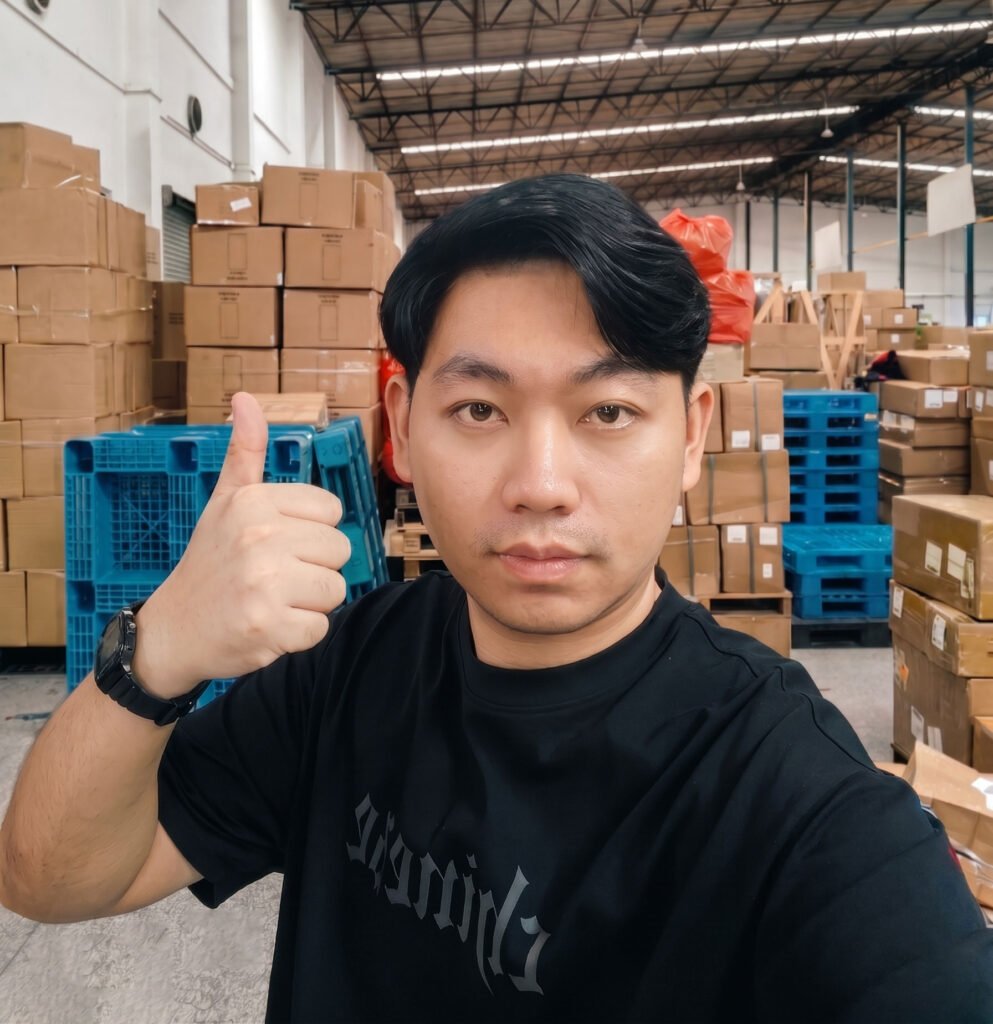

A lot of buyers ask me the same thing when they start sourcing from China:
“Leo, can you find me a big factory?”
I know what they mean.
A big factory looks safer. The office is bigger, the machines look better, and the company introduction is usually very professional. For a buyer sitting overseas, it feels more reliable.
But after working with many Chinese suppliers, I do not judge a factory only by size anymore.
Sometimes a big factory is the right choice. If the order quantity is very large, or the product needs strict certificates and a stable production system, I will still recommend a larger manufacturer.
But for many small and medium buyers, especially custom orders, low MOQ orders, or first trial orders, a smaller factory can be easier to work with.
I learned this from one CNC project.
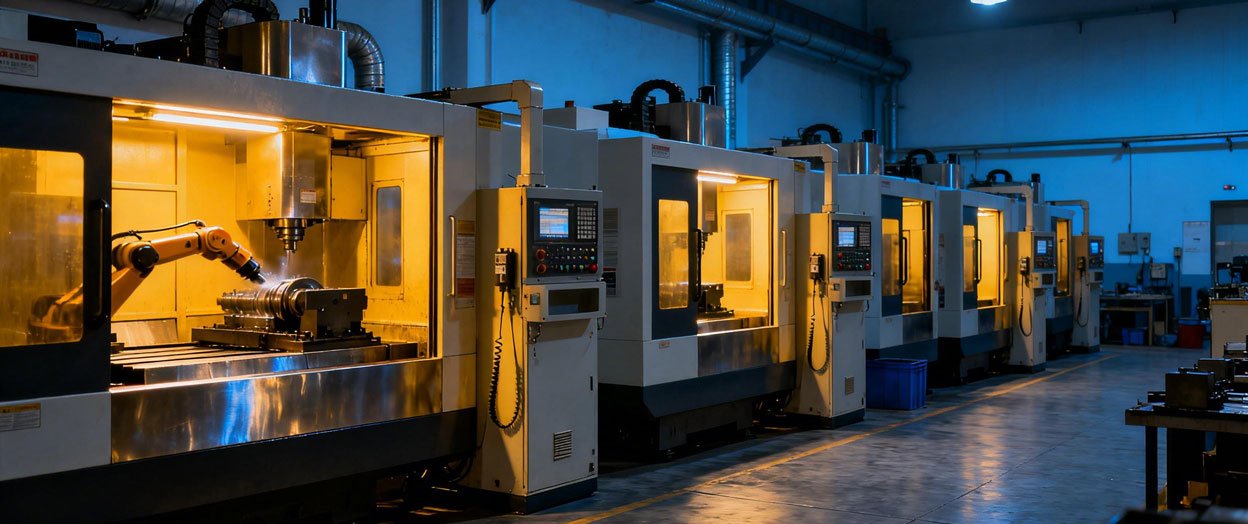
A German client once asked me to help source custom CNC parts. The order value was about $20,000 USD. He wanted a large manufacturer, so I followed his request and contacted one. I checked the company, visited the factory, looked at the machines, and confirmed the basic details.
At the beginning, everything looked fine.
But after we placed the order, the factory became slow.
Messages were not answered on time. A small drawing change took much longer than expected. The production date kept being pushed back. After waiting almost one month, the parts were still not in production.
Later I found out the reason.
Our order was not important to them.
For that factory, $20,000 was not a big order. They had larger customers waiting, so our project was always moved behind other jobs.
In the end, we cancelled the order.
After that, I found a small CNC workshop through a local contact. It was not a beautiful factory. No fancy meeting room. Not many workers.
But the owner understood the drawings himself.
That was the difference.
He checked the files, asked the right questions, and gave some useful suggestions. When something needed to be changed, he did not pass it to five different people. He just walked to the machine area and arranged it.
The batch was finished in less than three days. The quality was also good.
That project reminded me of something very simple:
A supplier does not need to be the biggest. It needs to care about your order.
This is how I now help clients with China sourcing.
I do not just search for the largest factory or the cheapest quotation. I look at the order size, product type, MOQ, delivery time, communication speed, and whether the supplier is willing to cooperate.
For some products, such as CNC parts, hardware, plastic parts, injection molded products, tools, packaging, or daily-use products, many small and mid-sized factories can do very good work. Some of them use similar machines as larger factories. The real difference is often the operator, the boss, the production control, and the inspection process.
Of course, small factories also have risks. Some are not stable. Some do not manage quality well. Some cannot handle export details properly.
That is why supplier verification matters.
As a China sourcing agent, my job is to help buyers filter these factories before they spend money. I check whether the factory is real, whether it can make the product, whether the price is reasonable, and whether the communication is reliable.
At MyChinaMate, I help overseas buyers source products from China, verify Chinese suppliers, compare factories, follow up samples, and manage production.
In my experience, good sourcing is not about finding the biggest factory.
It is about finding the right supplier for your order.