
Most Alibaba “factories” list a Shenzhen address. Most of them aren’t manufacturers — they’re middlemen buying from the same suppliers you could reach yourself, then marking up the price. Add spec inflation, cut-rate components, and missing compliance certs, and the result is Amazon returns and border seizures.
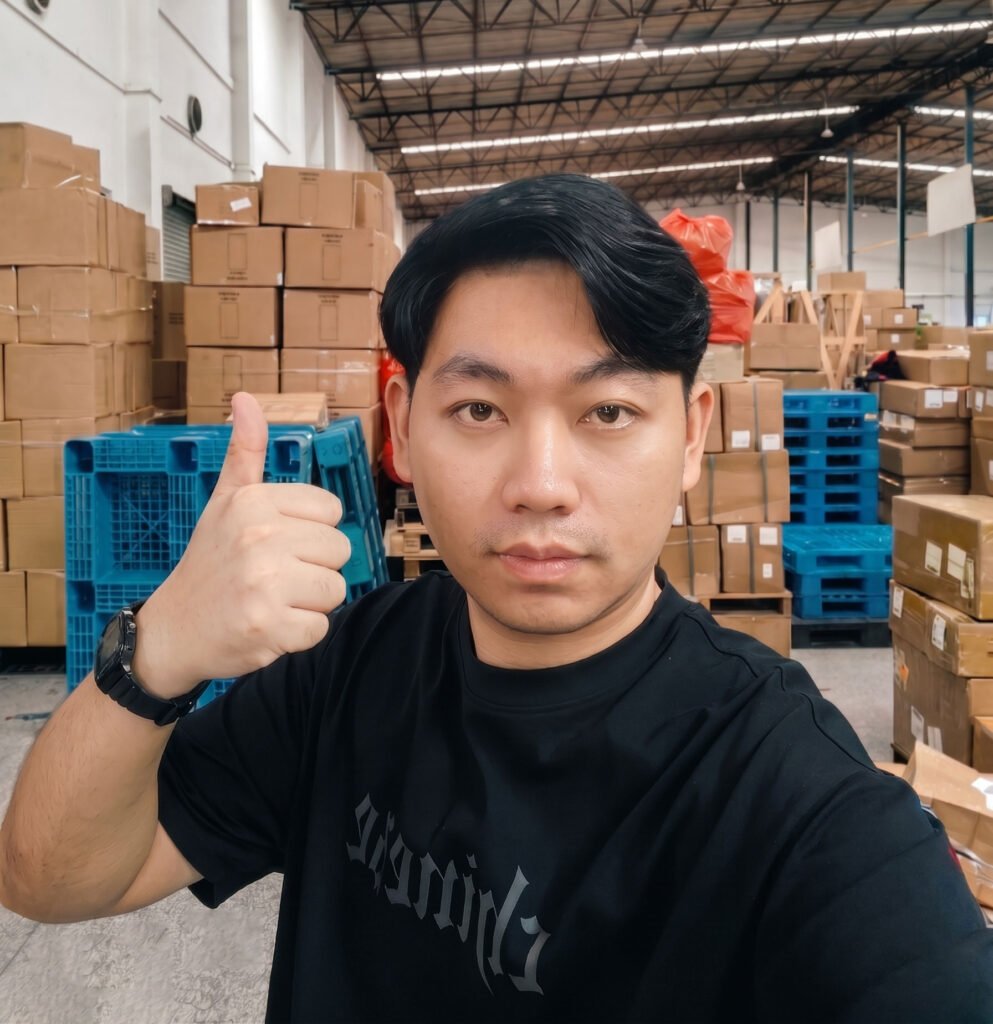
I’m Leo, a full-time sourcing agent based in Shenzhen. I don’t just coordinate orders — I open boxes, test products, and verify what’s actually inside them. Here’s what that process looks like.
The sample arrives looking perfect. Mass production runs, and components get quietly swapped. Sometimes it’s deliberate; sometimes a supplier just cuts corners to hit your target price. Either way, you’re the one managing the fallout.
Three problems I catch before goods ever leave Shenzhen:
Battery Fraud
Recycled cells labelled as new. A “10,000mAh” power bank that tests at under 3,000mAh. These also fail UN38.3 documentation and get flagged during international shipping before they reach your customer.
Chipset Downgrades
The approved sample used a Qualcomm chip. Mass production ships with a cheap domestic alternative. The difference is audible. Your 1-star reviews will say exactly what happened.
Fake Compliance Certificates
CE or FCC certificates that are expired, belong to a different product model, or were simply purchased rather than tested for. US and EU customs is catching these far more aggressively now than a few years ago.
None of this shows up in a product photo or a video call. Someone has to physically open the box.
The most important check in electronics sourcing is BOM verification — confirming that mass production uses the exact same components as the approved sample. Most sourcing agents skip this entirely because it takes time and requires technical knowledge. I run it on every order.
Power-On Testing
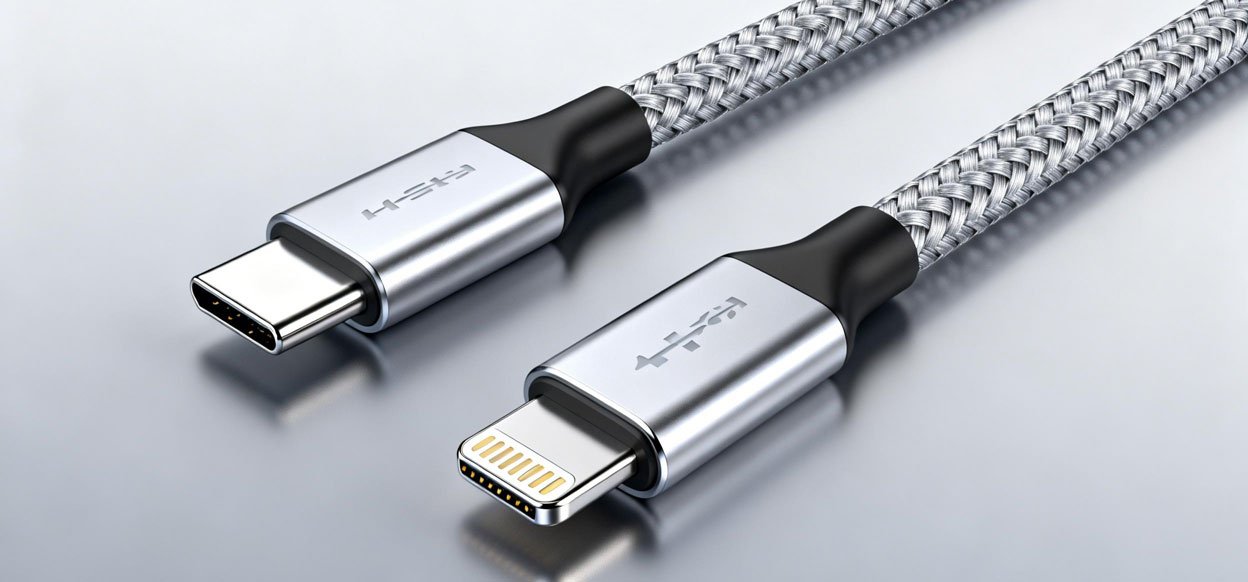
I determine the inspection rate by product type and value — not the standard “1% check” that catches almost nothing. Bluetooth earbuds get paired, tested for left/right sync, and run through audio quality. Screens are checked for dead pixels and touch sensitivity. Cables go through a current meter to verify actual output in amps, not just what’s printed on the box.
Battery Aging Test
Products run continuously for 24 hours. Any overheating issue gets found here, before your customer finds it in their home. I also verify that MSDS and UN38.3 reports match the actual shipment — not a generic template.
Compliance Verification
FCC for the US market. CE and RoHS for Europe. A PDF supplied by the factory is not enough — I check certificate authenticity directly with the issuing body. This is what keeps goods clearing customs without holds, seizures, or destruction orders.
Any product containing a lithium battery is classified as dangerous goods in international freight. Most forwarders either refuse the cargo or charge inflated DG surcharges as soon as they see a spec sheet.
I have established channels for DG sea containers and air cargo through HK-based UPS and DHL. All documentation — MSDS, UN38.3, packing group declarations — gets handled correctly the first time. No port holds, no reclassification fees, no last-minute surprises at the terminal.
Consumer Electronics
TWS earbuds, smartwatches, Bluetooth speakers
Mobile Accessories
GaN chargers, MFi cables, IMD/TPU phone cases
Smart Home
Smart plugs, LED strip lights, security cameras
Computer Peripherals
Mechanical keyboards, gaming mice, USB-C hubs
If it has a PCB inside it, I can source it from Shenzhen — properly.
Ready to source electronics without the guesswork?
Message me before your next order. It costs nothing to ask.