
You do not always need to invent a new product to build a brand.
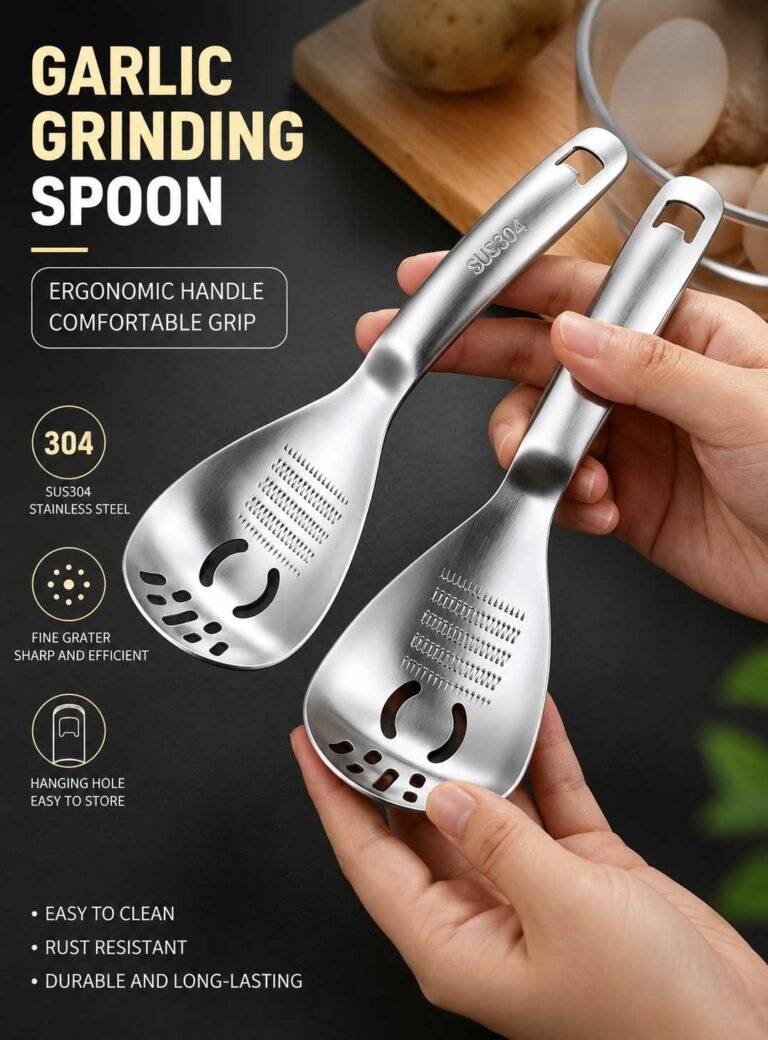
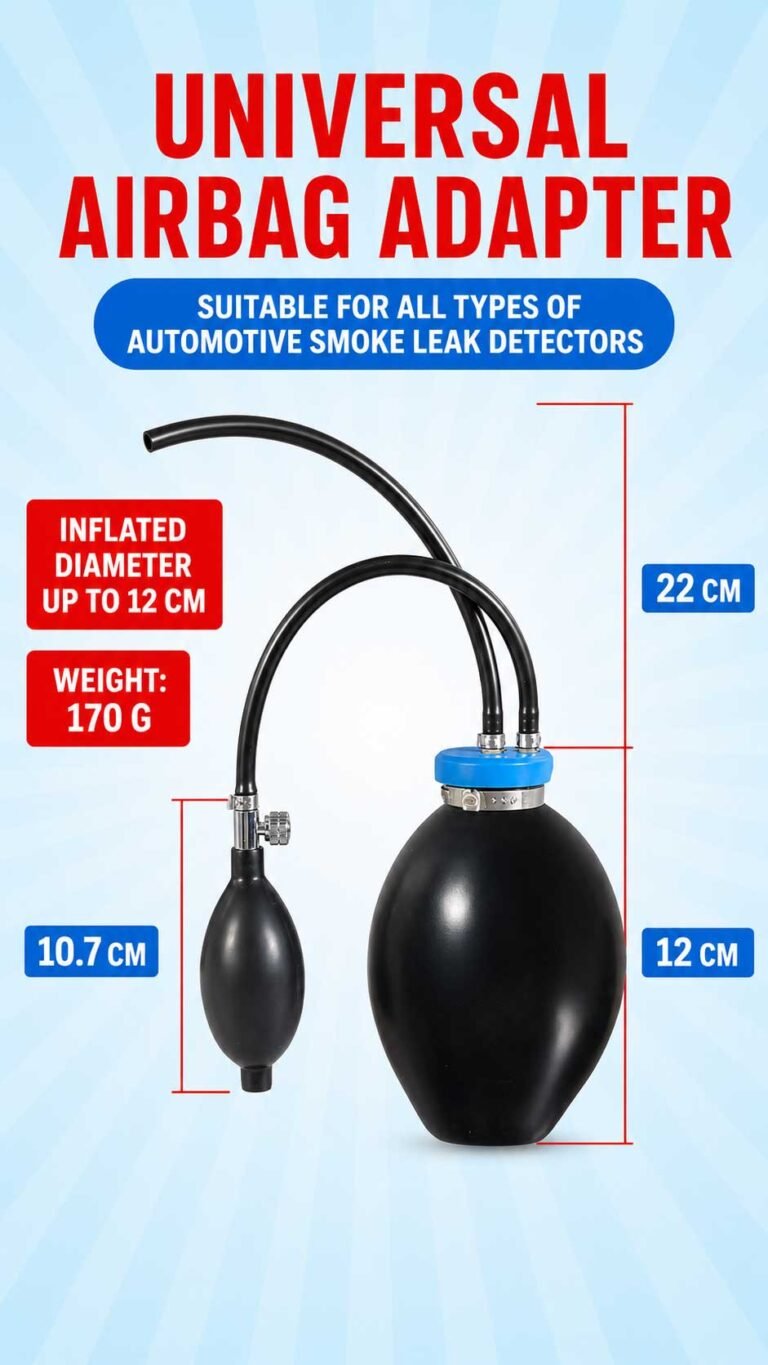
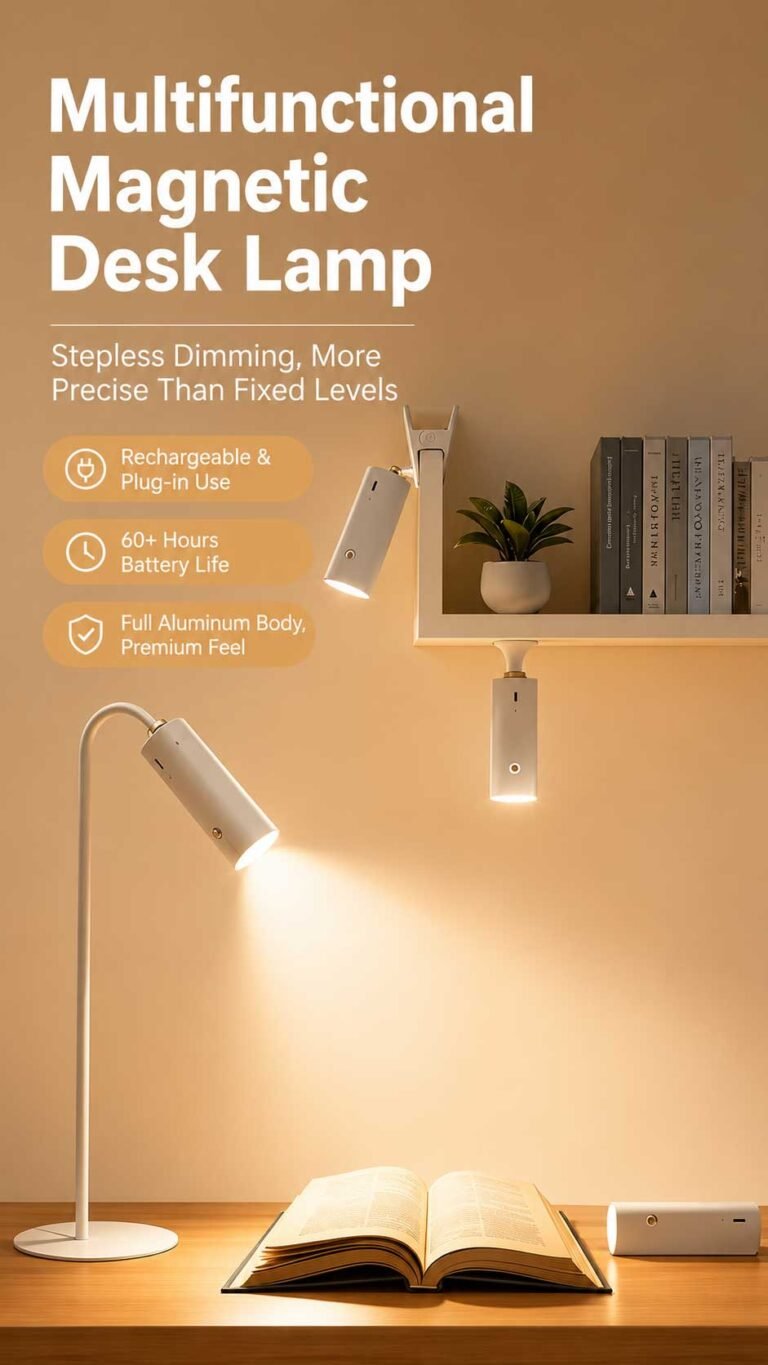
Many small brands start in a simple way: they find a reliable product from China, add their logo, improve the packaging, and sell it under their own brand name.
This is common in OEM and private label sourcing.
The product may already exist, but the brand, packaging, and customer experience are yours.
For many online sellers, this is a more realistic starting point than opening a factory or developing a product from zero.
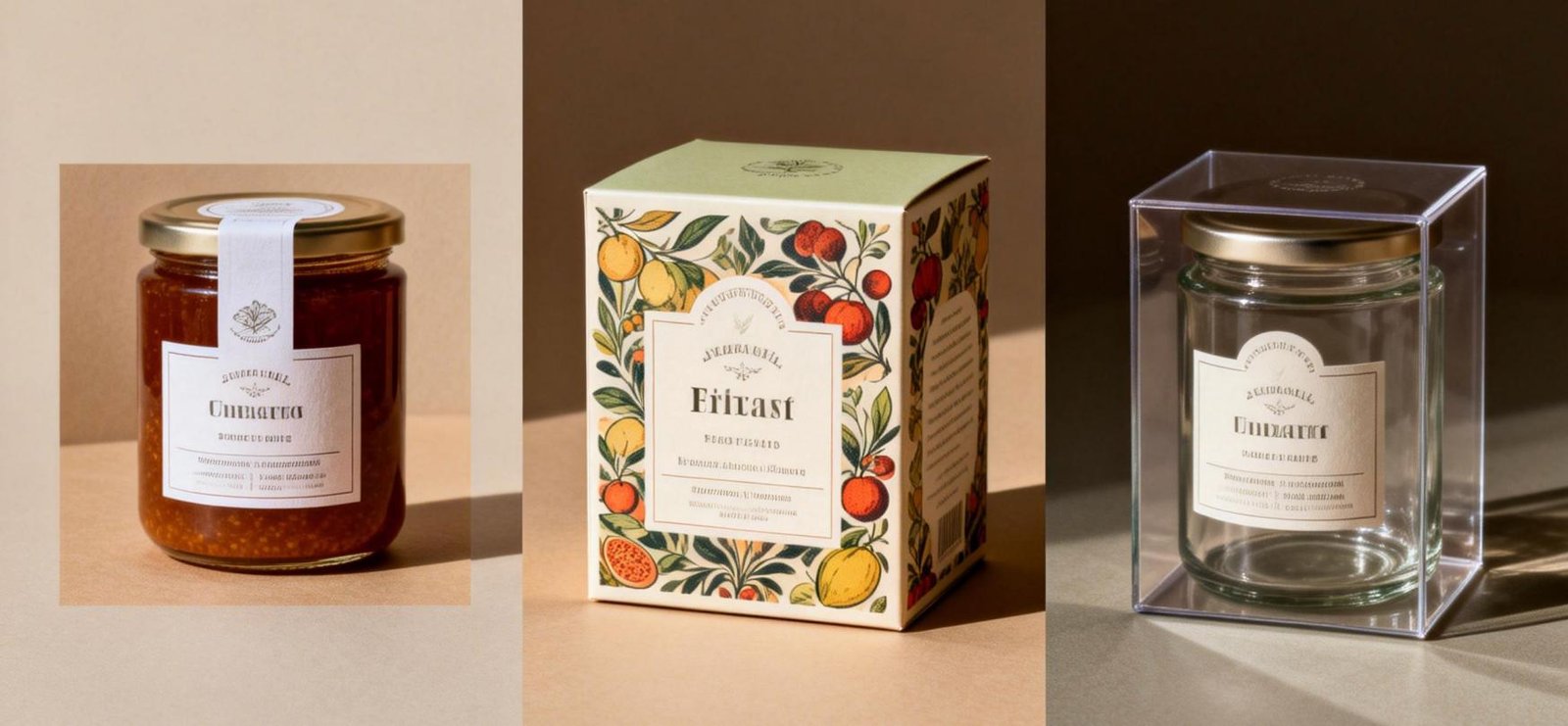
The easiest way to begin is logo labeling.
You can use the supplier’s existing product and add your logo through a sticker, tag, sleeve, or simple label.
This works well for small test orders because the cost is low and the lead time is short.
For some materials, such as metal, wood, or certain plastics, laser engraving is also an option. It looks cleaner than a sticker and can make the product feel more premium.
Logo labeling is suitable when you want to test the market first before investing too much in packaging.
Once a product starts selling steadily, custom packaging becomes more important.
A well-designed paper box can make a simple product look more professional. It also helps buyers remember your brand.
But custom boxes usually have MOQ requirements. For many packaging suppliers in China, 500 to 1,000 pieces is a common starting point, depending on size, material, and printing.
Before making custom boxes, buyers should confirm the product size, carton size, printing file, color, barcode, warning labels, and shipping requirements.
Small mistakes in packaging can delay the whole order.
Some brands want unique bottle shapes, plastic cases, trays, or special outer boxes.
This can make your product stand out, but it also costs more.
Custom molds require tooling fees, sample revisions, and longer development time. For beginners, I usually do not suggest starting here unless the unique shape is very important to the brand.
A safer path is to test the product first, then upgrade the packaging step by step.
Many buyers ask the product factory to handle packaging directly.
Sometimes this is fine.
But many product factories do not make packaging by themselves. They send the job to a printing factory, add a markup, and pass the cost to the buyer.
That is normal in China, but it may not be the best price.
Also, packaging communication can be difficult. Printing size, color, material thickness, surface finish, barcode position, logo file, and carton strength all need to be checked carefully.
A beautiful design file does not always become a good finished box.
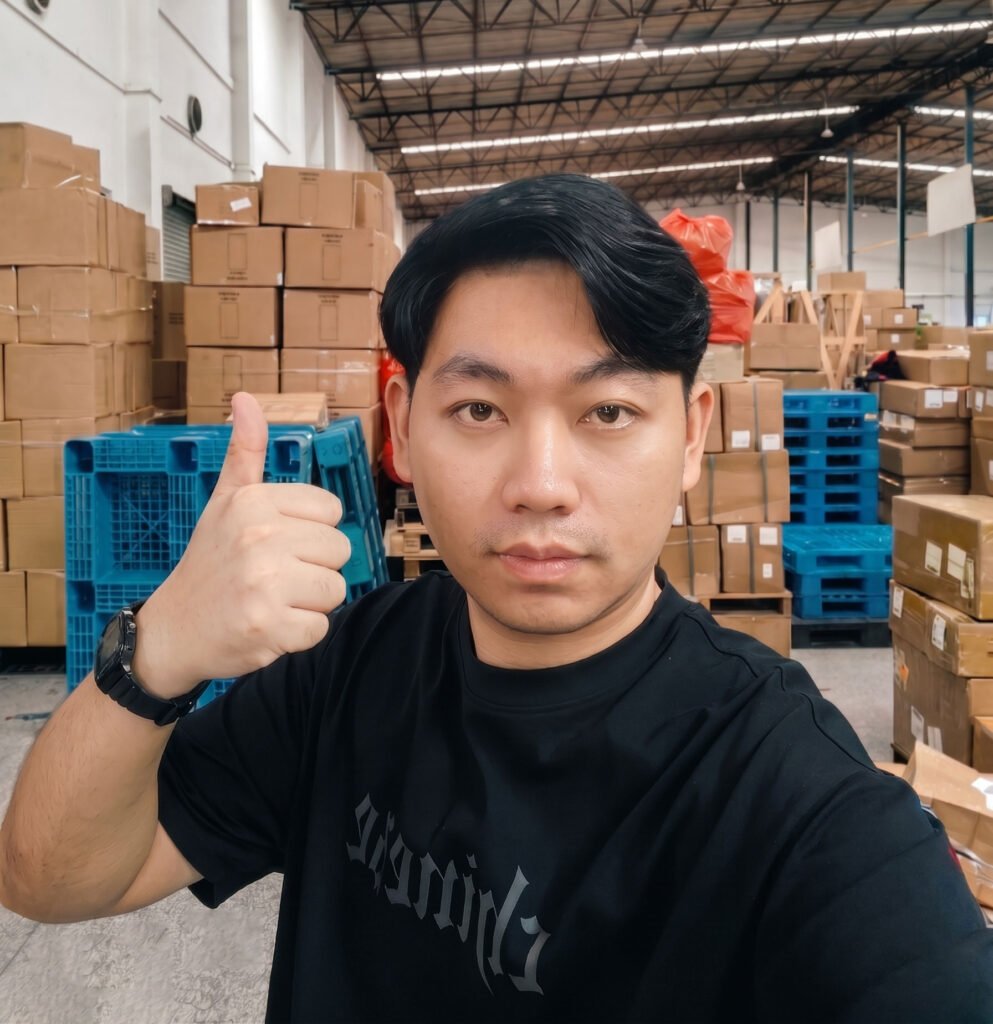
As a China sourcing agent, I help buyers manage both the product and the packaging.
At MyChinaMate, I can help with:
If your order includes products from different factories, I can also help collect them in one place, check them, pack them together, and arrange shipping.
This is useful for private label sellers, Amazon sellers, Shopify stores, and small brands that want to source products from China without managing every supplier alone.
OEM sourcing is not only about putting a logo on a product.
It is about choosing the right product, controlling quality, improving packaging, and making the order easier to repeat.
You can start small with logo labeling.
Then move to custom boxes.
Later, when the product is stable, you can consider deeper customization.
If you want to build a private label product with Chinese suppliers, MyChinaMate can help you source the product, check the factory, manage packaging, inspect the goods, and ship the order with less risk.