
There’s a simple problem every vlogger runs into eventually. You flip the phone to the rear camera for better quality — and lose the ability to see yourself in frame.
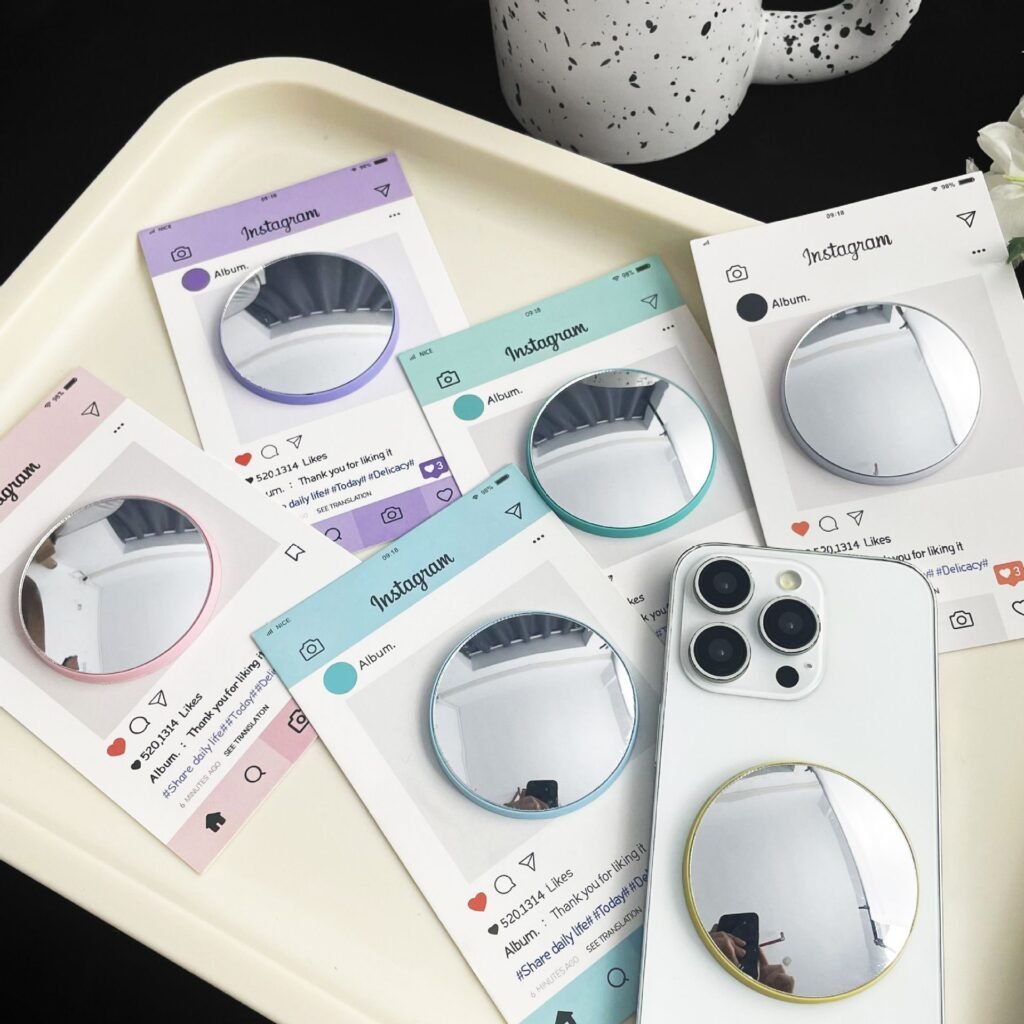
The magnetic selfie mirror solves exactly that. It clips to the back of your phone, gives you a reflection, and disappears into a pocket when you’re done. No bulk, no setup, no batteries.
That’s why it’s moving.
Retail prices sit between $18 and $35. The manufacturing cost, done right, is a fraction of that. For dropshippers and Amazon FBA sellers, the margin structure is genuinely attractive — but only if your sourcing holds up.
Where most orders go wrong
China’s wholesale platforms are full of listings for this product. Most of them come from trading companies, not factories. The distinction matters.
A trading company places your order with whichever factory quotes them the lowest price that week. You have no visibility into who’s actually making it, what materials they’re using, or how the quality is controlled. The first shipment might be fine. The second might not.
The two failure points I see most often:
Magnetic strength. MagSafe compatibility requires consistent N52 magnet placement. Cheaper production lines use lower-grade magnets or inconsistent adhesive application. The mirror works in the product video and falls off your customer’s phone in real life.
Glass quality and packaging. Thin glass with inadequate packaging doesn’t survive international shipping reliably. A 5–10% breakage rate sounds small until you’re handling the returns.
These aren’t edge cases. They’re what happens when the factory optimizes for their cost, not your reputation.
What factory-direct sourcing actually involves
I’m based between Yiwu and Guangzhou. I work directly with the assembly facilities — not the B2B storefronts — and I’m on-site during production runs, not reviewing photos afterward.
For the magnetic selfie mirror specifically, that means:
Testing magnetic adhesion on actual MagSafe-compatible devices before any carton is sealed. Checking optical clarity under direct light, not warehouse fluorescents. Verifying that packaging protects the glass through a realistic drop test, not just looks acceptable on a spec sheet.
I also work with factories that cut from larger mirror sheets, which means we can negotiate on yield efficiency — the offcuts from one size often become the components for another. It’s a small thing that adds up across a full container order.
The margin question
The selfie mirror is a lightweight, low-volume product. That combination is genuinely useful for shipping economics — you can move meaningful quantities without filling a container, which keeps your logistics costs manageable at early volume.
Where margins get compressed is usually not the product cost — it’s reshipments, returns, and the markup layers between you and the actual factory. Cut those out, and the numbers look different.
If you’re evaluating this product
The viral window for accessories like this does close. New listings appear constantly, and the ones that build lasting sales are the ones with consistent quality and a brand behind them — not just the lowest price on the page.
If you want a factory-direct quote and an honest assessment of whether the numbers work for your model, get in touch. I’ll tell you what the product costs at source, what the risks are, and what it would take to make it worth building on.
[Get a Factory-Direct Quote]
WhatsApp: +86 15759861323
Email: mychinamate@Gmail.com