
Imagine this scenario:
You find a promising supplier in China. The boss gives you an EXW (Factory Price) of just $5.00.
You are thrilled: “I can sell this for $20.00! That is a huge profit!”
But wait.
By the time that product arrives at your warehouse, the actual cost has skyrocketed to $15.00 per unit.
Your profit margin is dead. 💀
What happened?
You fell into the “Hidden Shipping Trap.”
In my career helping clients source from China, I have seen too many businesses lose money simply because they didn’t understand how shipping from China cost actually works. They focused on the product price but ignored the logistics traps.
Today, I will simplify the complex logistics terms and reveal the traps that freight forwarders don’t want you to know.
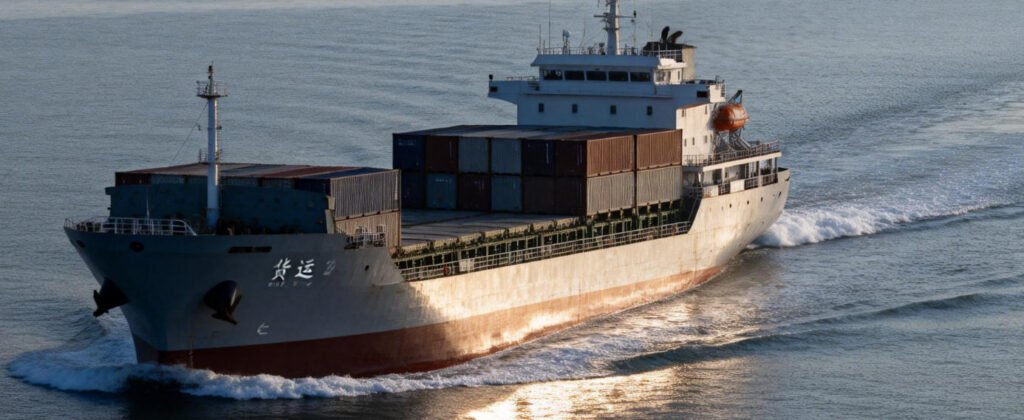
You may have received marketing emails like this:
“We can ship your cargo to your local port for just $50!”
Warning: This is the most common trap for beginners.
Sea freight might look cheap on paper (usually CIF terms), but once your ship arrives at the destination port, the local agent will hand you a bill for hundreds of dollars.
They call it “Handling Fees,” “Docking Fees,” or “Document Fees.”
The Reality: You are held hostage.
If you don’t pay this inflated bill, they won’t release your cargo.
This feels exactly like the Miniature Model Scam I wrote about earlier—you are trapped with no control.
So, how do you avoid being the “meat on the chopping block”?
You must take control of the shipping terms. Here are the two best options for 2026:
Meaning: The supplier (or forwarder) handles EVERYTHING. Shipping, customs clearance, taxes, and delivery directly to your door.
💡 Leo Li’s Advice: If you are an Amazon FBA seller or your volume is small (less than 5 CBM), choose DDP. It saves you time and headaches.
Meaning: The factory is only responsible for getting the goods onto the ship in China. YOU hire your own reliable freight forwarder to handle the ocean freight and delivery.
💡 Leo Li’s Advice: If you are shipping a Full Container (FCL) or large volumes, choose FOB. This is the industry standard for professional importers.
Here is an industry secret:
Many sourcing agents or trading companies will add a 10-30% markup on your shipping quote. They treat logistics as another profit source.
I don’t play that game.
My value comes from finding you the right factory, verifying the quality, and avoiding scams—not from overcharging you on shipping. We need a long-term partnership, not a quick buck.
The Result: Because I bring them steady volume, my partners are usually 15% cheaper than the market rate.
Direct Access: I connect you directly with my trusted Freight Forwarder China contacts.
Transparency: You can compare their quotes with your own.
Don’t let shipping costs eat your lunch.
Do you have a shipment coming up? Are you unsure if you should choose FOB or DDP?
Send me the following details on WhatsApp:
I will give you a FREE estimate and tell you which shipping method will save you the most money.
The “Miniature Model” Scam: A China Sourcing Nightmare (2026)
Factory vs. Trading Company: How to Spot a Liar in 5 Minutes (The Video Call Ambush)
Why Sourcing from China is Unbeatable: The Brutal Truth
How to Verify Product Samples Without Flying to China: The Lowest Cost Strategy (2026)